
Home > News > Industry News > Using Smart Pedestrian Modules to Improve Nighttime Safety Around Schools and Hospitals


Using Smart Pedestrian Modules to Improve Nighttime Safety Around Schools and Hospitals
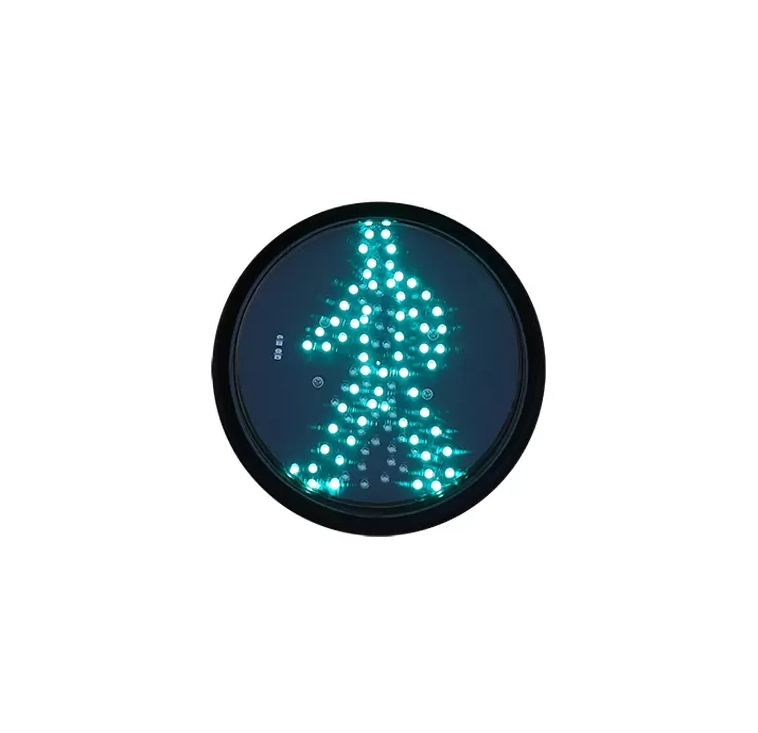
Nighttime pedestrian safety remains a critical concern in urban environments, especially around high-risk zones such as schools and hospitals. Poor visibility, distracted drivers, and complex intersection layouts often contribute to accidents, making it imperative for urban planners to implement intelligent pedestrian safety solutions. Low Power Pedestrian Traffic Light Modules have emerged as an effective method to mitigate these risks. FAMA - The Leading Enterprise In China's Traffic Signal Lights Industry, leveraging its extensive experience in intelligent transportation, has developed these modules to enhance visibility, optimize pedestrian flow, and increase overall safety in sensitive urban areas.
Enhancing Nighttime Visibility
One of the main challenges for pedestrians at night is being clearly visible to drivers. Smart pedestrian modules address this through:
High-Intensity LED Arrays: Bright, uniform LEDs ensure that pedestrians are visible in low-light conditions, fog, or heavy rainfall.
Mesh Circuit Design: If an LED fails, the fault is automatically isolated, maintaining full signal display and reducing the likelihood of misinterpretation by pedestrians and drivers.
Dynamic Signal Clarity: Advanced design ensures constant brightness and a stable visual presentation, critical for preventing accidents in high-traffic zones.
By improving the visibility of pedestrian crossings, these modules significantly enhance safety during nighttime hours.

Energy-Efficient Design for Sustainable Urban Infrastructure
Energy consumption is a key consideration for municipal authorities, particularly in large urban areas with extensive lighting networks. FAMA Traffic Low Power Pedestrian Modules integrate several features to minimize energy usage while maintaining performance:
European Standard Power Supply: Achieves up to 98% energy conversion efficiency, lowering electricity consumption and environmental footprint.
Constant Current Drive Technology: Stabilizes operating current, extending LED lifespan and reducing maintenance frequency.
Low Electromagnetic Interference: With total harmonic distortion under 10%, the modules minimize interference with surrounding electrical systems, ensuring reliable operation across intersections.
These features provide municipalities with both sustainable and cost-effective pedestrian safety solutions.
Integration with Urban Traffic Management
Smart pedestrian modules are not standalone devices; they are part of a comprehensive traffic management ecosystem:
Adaptive Signal Coordination: Modules can be synchronized with intelligent traffic control systems to adjust pedestrian crossing times based on real-time traffic flow and density.
Scalable and Modular Architecture: Modular construction allows for seamless expansion, upgrades, or replacement without interrupting traffic operations.
Intersection Compatibility: Suitable for multi-lane roads, complex crosswalks near schools and hospitals, and intersections with high vehicle and foot traffic.
This integration ensures that pedestrian modules contribute to optimized traffic flow while improving safety for all road users.
Reliability and Long-Term Performance
Urban authorities require pedestrian modules that can withstand continuous operation in various environmental conditions:
Durable Construction: Designed to resist environmental stressors, including rain, high winds, and temperature fluctuations.
Low Maintenance Needs: The mesh circuit and constant current drive reduce component failures and extend module lifespan.
Electromagnetic Compatibility Compliance: Meets European EMC standards, preventing signal interference and ensuring dependable operation over years.
FAMA Traffic’s expertise guarantees that these modules perform reliably in demanding urban environments, providing both immediate and long-term safety benefits.
Key Features Driving Pedestrian Safety
The combination of smart design and advanced engineering in Low Power Pedestrian Traffic Light Modules provides multiple advantages:
Rapid fault detection and self-isolation for individual LEDs.
Energy-efficient power supply reduces operational costs.
Consistent illumination for clear pedestrian guidance.
Integration with intelligent traffic systems for dynamic intersection management.
Extended module lifespan and minimal maintenance requirements.
Collectively, these features create safer pedestrian zones and contribute to smoother urban traffic flow, particularly in areas with vulnerable populations.
Conclusion
Low Power Pedestrian Traffic Light Modules are a transformative solution for enhancing nighttime safety around schools and hospitals. By providing superior visibility, energy-efficient operation, robust reliability, and seamless integration with urban traffic systems, these modules help cities protect pedestrians while improving overall traffic efficiency. FAMA Traffic combines decades of experience, advanced engineering, and a commitment to smart transportation solutions to deliver these high-performance modules. The adoption of such smart pedestrian technology is a critical step toward safer, more sustainable urban intersections.
FAQ
Q1: Are these modules suitable for all pedestrian-heavy intersections?
A1: Yes, they can be deployed in school zones, hospital entrances, busy urban crosswalks, and other high-risk areas.
Q2: How do these modules enhance nighttime pedestrian safety?
A2: High-intensity LEDs, mesh circuit design, and consistent illumination make pedestrians more visible to drivers under low-light conditions.
Q3: Can these modules be integrated with smart traffic control systems?
A3: Yes, they support adaptive signal coordination and can communicate with intelligent traffic management platforms.
Q4: What are the energy efficiency benefits of Low Power Pedestrian Modules?
A4: Using European standard power supplies and constant current drive technology, energy consumption is minimized while maintaining bright, consistent illumination.
Q5: How reliable are these modules in terms of long-term performance?
A5: With durable construction, low maintenance design, and EMC compliance, these modules provide dependable operation in demanding urban environments.


