


FAMA Smart Tips for Maintaining City Street Light Poles
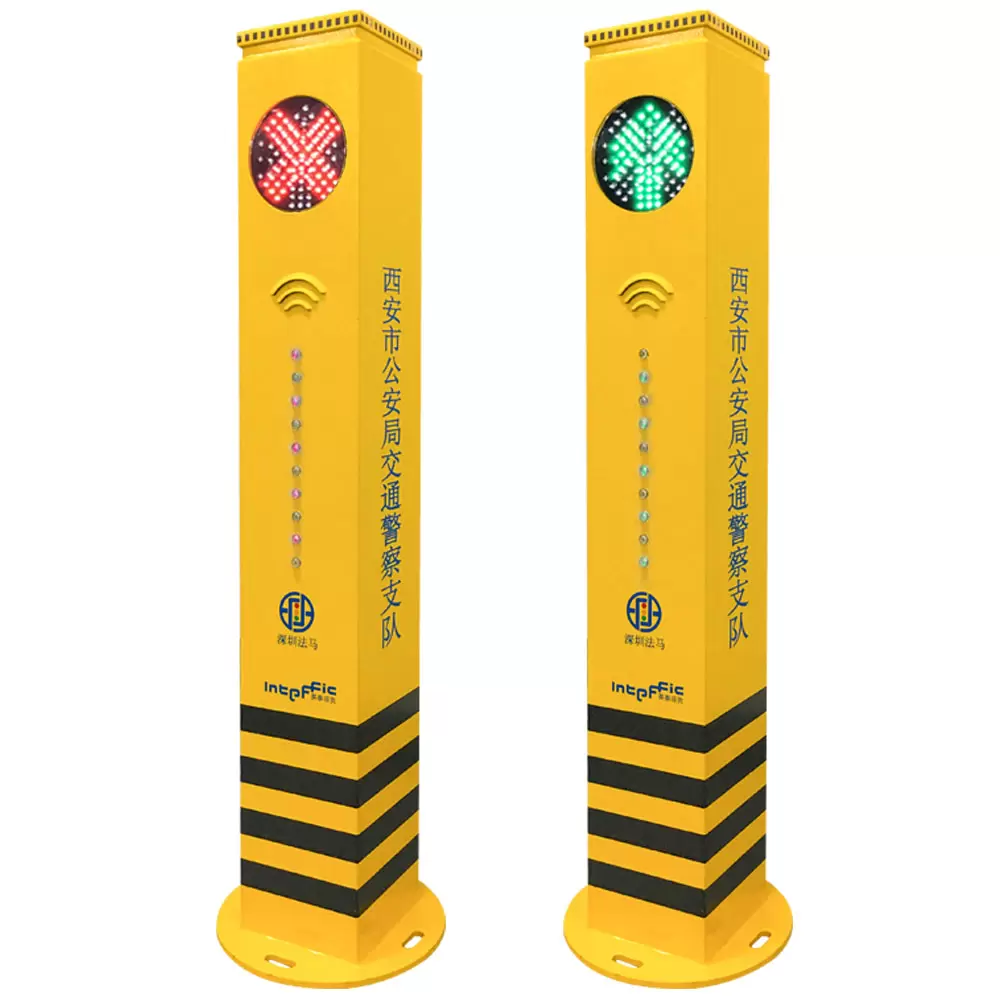
FAMA is a leader in smart city street light pole maintenance. FAMA also helps control traffic signals in cities. Good maintenance keeps streets safe. It makes it easier to see at night. It helps people move around the city. FAMA uses new technology to help cities. One example is the High Flux Bicycle Traffic Light Module. This module has a three-layer optical lens system. It also uses Fresnel lenses. These features make the system more reliable. They help lower light pollution in cities. Urban planners and engineers trust FAMA’s best practices. These practices keep street light pole systems working well. Cities get safer and greener with FAMA’s help. Cities do better when they use FAMA’s smart ideas. Advanced solutions from FAMA help people every day.
Key Takeaways
Routine safety checks are very important. Inspect poles two times each year. This helps find damage early. It also saves money on repairs.
Use digital tools to plan inspections. These tools help manage work well. They make sure every pole gets checked.
Clean poles often to help people see better. Cleaning poles and fixtures makes lights brighter. This keeps streets safe at night.
Pick strong materials for poles. Aluminum and composite poles do not rust easily. They last longer in tough weather.
Get the community to help with maintenance. Local people can share ideas to make things safer. This builds trust in city services.
City Street Light Pole Maintenance Essentials
Routine Safety Checks
Routine safety checks help keep every city street light pole safe. These checks stop accidents and make streets safer for people and cars. Maintenance teams use different ways to check poles and street light lamp posts. They look for damage you can see, rust, and loose parts. Teams also check if the base is leaning and if the surface coatings are still good. They look at steel parts for rust and paint them again when needed.
Tip: Checking often helps find problems early. This saves money on repairs and keeps lamp posts working longer.
Here are the main steps for safety checks:
Look at poles two times each year. Check the base, middle, and top for damage or loose parts.
Clean poles a lot to stop rust and dirt.
Paint and protect surfaces to stop rust.
Put new coatings on every few years.
Check if the base is leaning often.
Look at steel parts for rust.
Maintenance teams use special tools to check street light lamp posts. Looking with your eyes finds cracks and rust. Hammer punch tests check how strong the pole is. Ultrasonic pole inspection finds hidden damage inside. Magnetic crack inspection finds cracks you cannot see. These ways help keep poles safe and working well.
Inspection Method | Description |
Visual Inspection | Look for damage you can see. |
Hammer Punch Test | Hit the pole to check its strength. |
Ultrasonic Pole Inspection | Use sound waves to find hidden damage. |
Magnetic Particulate Crack Inspection | Find cracks you cannot see. |
Routine safety checks help cities reach important goals. They keep people and drivers safe. FAMA - The Leading Enterprise In China's Traffic Signal Lights Industry, uses smart ways to check poles. This makes inspections better and stops more problems.
Inspection Frequency and Planning
How often you check depends on city size, traffic, and weather. Most cities check each city street light pole two times a year. Some busy or stormy places need more checks. Maintenance teams use digital tools like GovPilot to plan checks. This software helps teams set up work and see how projects are going. Teams can plan checks by place, pole type, and repair history.
Note: Good planning saves time and money. It makes sure every street light lamp post gets checked.
A good inspection plan has these steps:
Pick dates to check each pole.
Keep track of checks and repairs.
Use digital tools to manage work.
Check busy areas and old poles first.
Plan checks after storms or big events.
Using the same pole types makes planning easier. When cities use poles with the same base and bolts, fixing and replacing is faster. Engineers check wind loads for each pole to keep them safe. When changing city street light poles, teams work when traffic is low and use barriers. These steps make repairs faster and easier for city workers.
For real examples of good planning and pole changes, see FAMA project case page.
Common Issues to Watch For
Maintenance teams find many problems during checks. Vibrations can shake poles and street light lamp posts. First mode vibration happens in strong wind but is not a big problem unless wind is 50 to 70 mph. Second-mode vibration is worse. It comes from vortex shedding and can break parts or make them fail early.
Teams also look for:
1. Cracks in the pole.
2. Rust or paint coming off.
3. Poles that lean.
4. Loose or broken parts.
5. Missing covers or rust.
Broken lights or loose wires can make lights go out and be dangerous. Missing hand hole covers show live wires and can hurt people. Using ultrasonic testing has made things safer. Before this test, cities had 120 safety problems. After using it, problems dropped to 52.
Year | Reported Safety Incidents |
Before Ultrasonic Testing | 120 |
After Ultrasonic Testing | 52 |
People like better safety steps. Local governments and people support these changes. The Solar Street Light Initiative in Los Angeles shows that solar power cuts costs and makes lights more reliable. This project also helps with wire theft and old funding problems.
Using the same pole types helps fix common problems. Engineers match bases and bolts to each city street light pole. They check wind loads to keep every street light lamp post strong. Teams use barriers and work at night to control traffic during repairs. These steps make changing city street light poles faster and safer.
Tip: Regular checks and smart planning keep poles safe and working. FAMA’s advanced solutions help cities have good, long-lasting street lighting.
Cleaning and Visibility Enhancement
Cleaning Methods for Poles and Fixtures
Cleaning keeps city street light poles and fixtures in good shape. Dirt and trash can block the light and make it hard to see. Teams use different ways to clean the pole and the fixture. Power washing gets rid of dirt and stains. Workers use low pressure so they do not hurt the zinc layer on galvanized poles. For tough spots, they use a hard plastic bristle brush. Teams do not use steel brushes because they can scratch the surface. If there are cement or mortar stains, workers scrape off big pieces first. Then they clean the spot with oxalic acid and rinse it with fresh water. For regular cleaning, teams use laundry soap and water. If stains are hard to remove, they use a low-pressure wash with pure water or car wash soap. After each cleaning, teams rinse with clean water to get rid of soap or chemicals. For tough marks, gentle rubbing with 600 grit sandpaper helps, but workers do not sand too much.
Cleaning Method | Purpose | Notes |
Power washing | Remove dirt and grime | Use low pressure |
Plastic bristle brush | Clean tough spots | Avoid steel brushes |
Oxalic acid | Remove cement or mortar stains | Rinse with fresh water |
Laundry soap and water | General cleaning | Rinse after washing |
600 grit sandpaper | Remove tough marks | Use gently, avoid over-sanding |
Improving Light Output and Visibility
Clean poles and fixtures help people see better and stay safe. Dirt on lamp covers or solar-powered lamp posts can block light. This makes the light weaker and spreads it less. Teams look for dust, bird droppings, and pollution on lamp surfaces. When they clean these spots, the light gets brighter. This helps drivers and people walking at night. Clean fixtures also make the city look nicer and safer. Solar-powered lamp posts need extra care because dirt can block sunlight and lower how well they work. Cleaning them often helps these lamps shine bright and spread light evenly on streets and sidewalks.
Keeping fixtures clean makes the city safer and brighter for everyone.
Scheduling Regular Cleaning
A good cleaning plan keeps city street light poles working well. Teams write down how bright each lamp is after it is put up. They check the brightness at set times every year. If the brightness drops by more than 20%, they do a high-pressure cleaning. If the lamp does not meet the right brightness, they clean it right away. Teams check lighting levels often and change the cleaning plan if needed. Solar-powered lamp posts need more checks because dust can make them work less well. Cleaning them often keeps the city safe and bright for everyone.
Tip: Cleaning on a regular schedule stops problems and keeps city streets safe and well-lit.
Corrosion Prevention for Galvanized Street Light Poles
Protective Coatings and Repainting
Galvanized street light poles need strong layers to stop rust. Teams use hot-dip galvanizing to cover poles with melted zinc. This makes a hard layer that protects the pole for many years. In tough places, it lasts up to 13 years. Near seawater, it can last 50 years. Powder coating puts dry powder on the pole and heats it. This finish lasts longer than normal paint. Fluorocarbon paint helps the pole fight bad weather. It keeps its shine for over ten years. When the coating gets thin, teams repaint the pole. They check the surface and add new layers. This stops rust and keeps the pole strong.
Coating Method | Description | Service Life |
Hot-dip galvanizing | Dips equipment in melted zinc for a strong layer | 13 years in tough areas, 50 years near seawater |
Powder coating | Applies dry powder and heats for a tough finish | Lasts longer than regular paint |
Fluorocarbon paint | Excellent anti-corrosion and weather resistance | Keeps shine for more than ten years |
Identifying and Treating Rust
Teams check galvanized street light poles for rust often. They measure spots on the pole’s shaft and base plate. Workers use a special tool to check how thick the coating is. They write down the numbers and where they checked. Teams compare these numbers to what is normal for steel. If cutting, welding, or drilling hurts the coating, teams fix it with a zinc-rich repair. Suppliers give proof like reports and records about the coating. These steps help teams find rust early and fix it fast. Teams use these ways to stop rust and keep poles strong.
Step | Description |
3 | Measure reference areas (shaft: lower/middle/upper; base plate: flat areas) |
4 | Use magnetic thickness gauge and record readings |
5 | Compare readings to standard acceptance |
6 | Apply zinc-rich repair system after damage |
7 | Request evidence package from suppliers |
Choosing Durable Materials
Cities pick materials that do not rust easily for galvanized street light poles. Aluminum light poles are very strong and work well by the sea. FRP or composite poles do not rust and block UV damage. Steel light poles do not last long in salty places. Rust makes them break too soon. Teams use aluminum or composite poles where there is a lot of rust risk. These materials help cities stop rust and keep poles strong for a long time.
Material Type | Durability in High-Corrosion Environments | Additional Notes |
Aluminum Light Poles | Excellent | Lightweight, recyclable, ideal for coastal areas |
FRP/Composite Poles | Exceptional | Non-conductive, highly resistant to corrosion and UV degradation |
Steel Light Poles | Poor | Prone to premature failure in coastal environments |
Tip: Teams use strong steel and hot-dip galvanizing to stop rust and make replacing poles fast. Using the same way to install poles makes upgrades easier and safer.
Electrical and Structural Maintenance
Wiring and Connection Checks
Maintenance teams check the wires inside poles to keep them safe. They look for broken wires, rust, or corrosion. They also check conduits and junction boxes for cracks or breaks. Teams make sure the grounding system is secure. They tighten all connections. Workers use tools to test if everything works. They write down what they find for later. These steps stop electrical problems and help poles work well.
Common electrical problems in city street light poles are cycling, day-burning, no light, and dim or flickering lights. The table below shows what causes each problem and how to fix it:
Symptom | Cause | Fix |
Cycling (On/Off) | End-of-life lamp or overheating LED driver | Replace lamp/driver. Check fixture heat dissipation. |
Day-Burning | Failed photocell or shorted shorting cap | Replace photocell. Verify socket orientation. |
No Light (Dark) | Blown fuse, severed wiring, failed ballast/driver | Check fuse/breaker, test voltage at pole base. |
Dim/Flickering | Voltage drop, failing capacitor, bad dimmer | Inspect connections for corrosion. Test circuit load. |
Structural Integrity Assessment
Teams check if poles are strong and safe in many ways. They look for cracks or damage with their eyes. Ultrasonic inspection gives more details about how strong the pole is. Hammer punch tests check if the shaft is solid. Magnetic crack inspection finds small cracks, especially when poles break from cracks. These ways help keep all poles safe and steady.
Method | Description |
Ultrasonic Inspection | Detailed check of pole structure |
Visual Inspection | Finds common signs of damage |
Hammer Punch Test | Tests shaft strength |
Magnetic Particulate Inspection | Highlights cracks in poles |
Modern LED lighting needs strong poles to work right. Good poles help LEDs cool down and fit well. Strong poles also help spread light better. Teams use smart dimming controls to change brightness when needed. These things make city lights safer and use less energy.
Upgrading for Efficiency
Upgrading poles with better bulbs and LED modules saves energy. Changing old lamps to LEDs cuts CO₂ by over 68,000 tons each year. LEDs do not have dangerous stuff inside and can be recycled. Smart dimming and schedules use less power. Remote checks and fixing problems early save money on work. Solar-powered street lights use the sun’s energy and help the planet. LED street lights turn more power into light. This lowers bills and helps cities save more energy.
Upgrading poles with better bulbs and smart controls helps cities stay safe, save energy, and spend less money over time.
Installation, Grounding, and Recordkeeping
Proper Installation Steps
Good installation helps city street light poles last longer. Workers start by getting the ground ready. They make sure the design fits the soil and weather. Teams put anchors in the right place. They line them up with the base plate. Bolts must be tight but not too tight. This keeps the pole steady. Picking the right material is important. Aluminum poles are good near the ocean because they do not rust. Galvanized steel poles need more care in wet places. Teams check the work after putting up the pole. They look for early signs of damage or wear.
Best Practice | Description |
Foundation Preparation | Match the foundation to soil and weather conditions. |
Material Selection | Use materials that resist rust and fit the local climate. |
Installation Techniques | Use proper installation techniques for stable, secure poles. |
Maintenance Strategies | Plan for routine inspections and preventive maintenance. |
Teams in city areas saw that galvanized steel poles rust more. Suburbs with aluminum poles had fewer problems and needed less fixing.
Grounding for Safety
Grounding keeps city street light poles safe from shocks. Teams connect an equipment grounding conductor to each pole. They run this wire through a PVC pipe. It connects at the bottom and at the top light. Many old poles do not have this wire, which is risky. The wire starts at the main power and does not go to the utility side. If a pole has a problem, the voltage can go up. This can shock someone who touches the pole. Good grounding lowers this risk and keeps people safe.
Always check that every pole has a strong grounding wire. Missing or loose wires make electrical accidents more likely.
Maintenance Documentation
Keeping good records helps teams care for city street light poles. Workers check the bottom for strong bolts and good concrete. They look at the middle for rust and use tests if needed. At the top, they check for metal fatigue and tight parts. Teams clean poles often to stop rust and damage. They add coatings to help poles last longer. Writing down every step helps teams plan future work and find problems early.
Regular testing and records stop sudden failures. Taking care of poles keeps lights working well. A set schedule for cleaning and checks keeps the city safe and bright. Doing this all the time helps cities grow in a good way.
Good records help teams know each pole’s history and plan upgrades or replacements.
Preventing Vandalism and Environmental Damage
Anti-Vandalism Measures
Vandalism can hurt city street light poles. It makes streets less safe. Teams use tough materials and smart designs to protect poles. They put barriers around poles in busy places. This stops cars from hitting them. Workers use bolts that are hard to remove. They lock covers to keep wires safe. Cameras and motion sensors watch poles and help catch vandals. Teams paint poles with coatings that resist graffiti. These coatings make cleaning spray paint or markers easy.
Tip: Teams put poles in bright spots to stop vandalism. They check poles often for damage and fix problems fast.
Weather Protection Strategies
Weather can cause problems for city street light poles. Salt spray, pollution, and storms can make poles rust or break. Teams use special coatings to protect poles from rust. In coastal places, they pick materials that resist salt, like aluminum or composite poles. Workers clean poles to remove dirt and pollution that cause rust. They use cathodic protection for parts in the ground to stop rust. Teams check poles often to find early signs of damage.
Common types of environmental damage are:
Rust from salt, pollution, or moisture
Damage from storms or cars hitting poles
Wear from very hot or cold weather
Teams use regular maintenance to keep poles strong. They clean poles, add coatings, and check for cracks or rust. In cities, strong designs and barriers protect poles from accidents.
Environmental Hazard | Protection Strategy |
Salt spray | Special coatings, aluminum poles |
Pollution | Regular cleaning, tough materials |
Storms | Strong designs, barriers |
Community Engagement
Community engagement helps keep city street light poles safe. Residents tell city teams about damage or vandalism. They share ideas about where poles should go and what features they want. Teams listen to people when planning new poles or upgrades. This makes streets safer and builds trust. Community input helps decide how poles look and where they go. It improves safety and makes the city better.
When people help care for poles, cities stay brighter and safer.
FAMA’s smart maintenance tips help cities make street light poles safer and stronger. Teams notice traffic moves better and people can see more clearly after using these new ways.
Maintenance lowers the cost for workers and parts.
Energy-saving lights help cities save lots of money every year.
Using 5G, smart lighting, and video cameras makes streets safer.
Maintenance keeps streets looking nice and bright.
Cities can ask FAMA for special maintenance plans and help anytime.
FAQ
What is the best schedule for city street light pole replacement?
Most cities change poles every 20 to 30 years. Busy streets or bad weather need faster replacement. Teams look at inspection reports to pick the right time.
How do commercial LED pole lights save energy?
Commercial LED pole lights use less power than old lamps. They make more light from the same electricity. This lowers bills and cuts down carbon emissions.
Why is grounding important for street light poles?
Grounding keeps people safe from electric shock. It sends extra electricity into the ground. Good grounding protects poles during storms or electrical problems.
What materials last longest for city street light poles?
Aluminum and FRP composite poles last the longest. They do not rust and resist bad weather. These materials are good for coastal or polluted places.
How can cities prevent vandalism of street light poles?
Cities use bolts that cannot be removed easily and locked covers. Special coatings, cameras, and bright lights help too. Fast repairs and community reports stop vandalism.


