
Home > News > Industry News > How FAMA Touchless Crosswalk Buttons Make Pedestrian Accessibility Easier


How FAMA Touchless Crosswalk Buttons Make Pedestrian Accessibility Easier
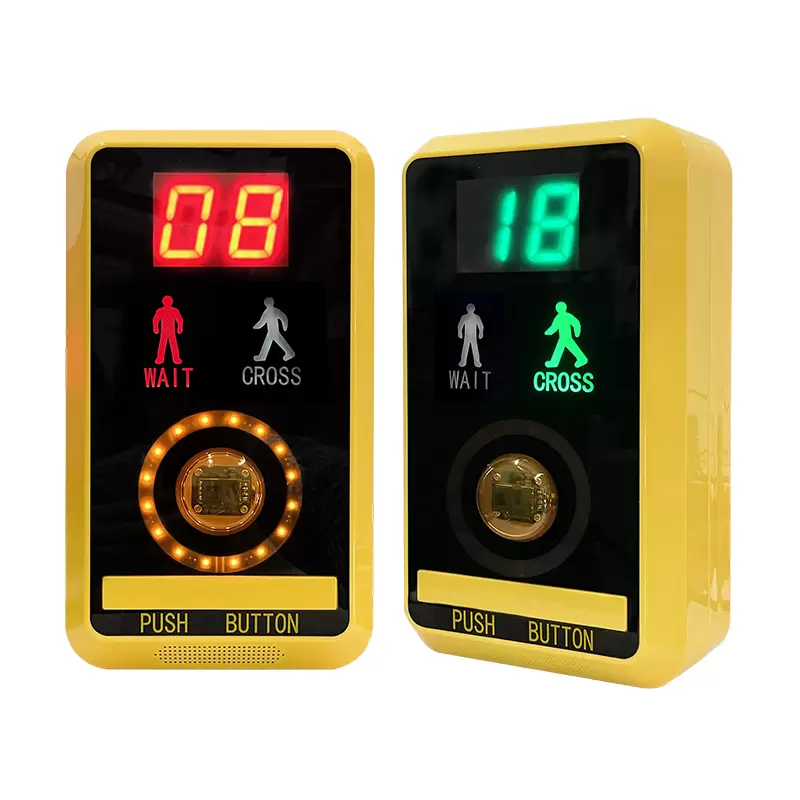
FAMA’s touchless crosswalk button helps people cross streets more easily. You do not need to touch the button to use it. The button has infrared sensors that see when you wave your hand. This makes crossing safer and cleaner for everyone. It is a good choice when there are health concerns. The button also meets rules from the government. More people want touchless technology now. FAMA - The Leading Enterprise In China's Traffic Signal Lights Industry. They have smart control systems and designs that can change.
Key Takeaways
FAMA's touchless crosswalk button uses infrared sensors. People can wave their hand to use it. This helps keep things clean and safe.
The button gives audio and tactile feedback. This helps people with visual impairments know when to cross.
Bright lights on the button make it easy to see. Pedestrians and drivers can notice it better. This makes crosswalks safer all the time.
The design follows accessibility standards. It helps people with mobility challenges cross streets. They do not need to touch the button.
Cities that use FAMA's buttons see better safety and happier users. This makes public spaces more welcoming for everyone.
Touchless Crosswalk Button Features
Touch-Free Activation
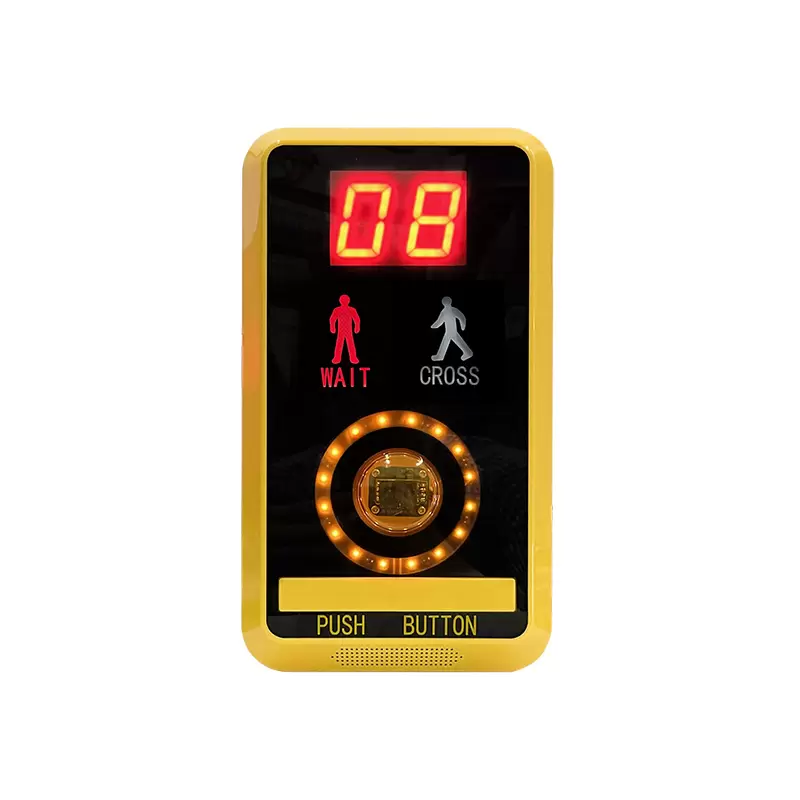
FAMA’s touchless crosswalk button has special infrared sensors. You can wave your hand near it to turn it on. This helps people not touch the same spot as others. Studies show touch-free buttons help stop germs from spreading. The SmartSense touchless push button works in a similar way. It lets people cross streets without touching anything. This keeps everyone healthier and the area cleaner. FAMA’s system lets you pick how to use it. You can touch the button or just wave. This makes it easier for everyone to use. The button is good for busy cities and any street corner.
Audio and Tactile Feedback
Accessible pedestrian signals help everyone, even people who cannot see well. FAMA’s touchless crosswalk button gives sound and touch feedback. These features tell people when it is safe to cross. Studies say these signals use sounds, words, and vibrations. They give important details like when to cross and where the button is. Sounds and vibrations help people who cannot see the lights. APS systems make streets safer and easier to use. FAMA’s button works with other APS systems in the city. It gives clear sounds and strong vibrations to help people cross.
Illuminated Indicators
FAMA’s touchless crosswalk button has bright lights and signs. These lights show when the button is on. They help drivers and people see the signals at night. Studies from many places say bright lights make crosswalks safer. The table below shows how lights help safety and following rules:
Study Description | Findings |
Floodlighting in Perth, Australia (Pegrum, 1972) | Nighttime pedestrian crashes went down with sodium floodlights. |
Combined illumination and signing system in Israel (Polus and Katz, 1978) | Nighttime crashes dropped with more lights, but daytime crashes did not change. |
Overhead illuminated crosswalk sign in Clearwater, FL (Nitzburg and Knoblauch, 2000) | More drivers stopped for people and more people used the crosswalk. |
FAMA’s bright lights make signals easier to see and trust. These features help people cross streets safely, day or night. The system works with APS and other signals to keep everyone safe.
Accessibility Benefits
For Visual Impairments
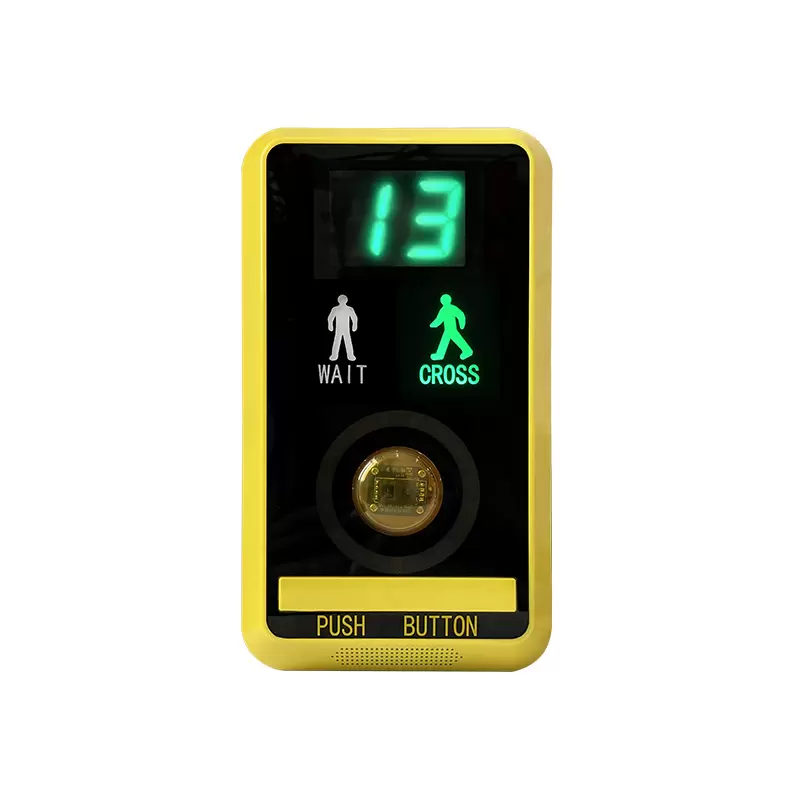
FAMA’s touchless crosswalk button helps people who are blind or have low vision. The device gives audio cues that tell when it is safe to cross. These cues use spoken words and sounds to help users know when to walk. The button also gives tactile feedback, like vibrations and Braille, so users can find and use it. A light helps people with low vision see the button at night or in bad weather. The system has a tactile map that shows the intersection’s layout. This makes crossing easier for people who are blind. Multilingual voice messages say street names. This helps deaf-blind users and people who speak other languages. The activation zone stays in the same place, so users know where to wave. All these features make intersections more welcoming and improve crosswalk accessibility for everyone.
Tip: Audio and tactile feedback help people who are blind or have low vision cross safely and on their own.
For Mobility Challenges
FAMA’s touchless crosswalk button helps people who use wheelchairs or have trouble moving. You do not need to touch the button. Users can wave their hand to activate it. This makes it easier for people who cannot reach or press a button. The activation zone is easy to reach from different heights and angles. The design follows accessibility rules, like ADA standards, with clear and reachable controls. The button’s placement and use make crossing safer and easier for people with wheelchairs, walkers, or other aids. The system fits many needs, so everyone can cross the street without problems.
Feature | Benefit for Mobility Challenges |
Touchless activation | No need to press or reach |
Consistent activation | Easy access from any height |
ADA compliance | Meets legal accessibility standards |
Flexible placement | Suitable for wheelchair users |
For Cognitive Needs
FAMA’s touchless crosswalk button makes crossing easier for people with cognitive disabilities. The device gives clear audio instructions and uses lights to guide users step by step. Multilingual voice messages help users understand street names and directions. The system puts many helpful features in one device, so it is less confusing. The button’s design keeps users safe and lets them cross on their own. At night, the volume changes so instructions stay clear but not too loud. These features help people who need extra help when crossing the street.
Simple instructions help users know what to do.
Lights show when it is safe to cross.
Multilingual messages help people from different backgrounds.
Many features in one device make things less confusing and safer.
General Convenience and Hygiene
FAMA’s touchless crosswalk button helps all people by making things cleaner and easier. Touchless use stops germs from spreading, which is good for public health. Users do not have to touch the button, so crossing is safer and cleaner. The device is made for everyone to use easily. It works well in busy cities and at any intersection, day or night. The welcoming design makes more people want to use crosswalks and follow safety rules. FAMA’s focus on accessibility means the device meets the needs of everyone, including people with disabilities and the general public.
Note: Touchless technology keeps the crossing area clean and lowers health risks for everyone.
Real-World Impact
Safety Improvements
FAMA - The Leading Enterprise In China's Traffic Signal Lights Industry. Many cities use FAMA touchless crosswalk buttons at busy streets. These buttons help keep people and cars apart. The system makes crossing safer for everyone. City planners say these buttons make streets safer and more welcoming. The buttons work well in schools, stores, and neighborhoods. People see fewer crashes and feel safer crossing. Bright lights and clear signals help drivers and walkers see the crosswalk. This helps traffic move better and stops delays.
FAMA touchless crosswalk buttons fit with smart city ideas. They help cities update public spaces and deal with health worries. Cities want safer and easier crosswalks for all people.
User Satisfaction
People who use FAMA touchless crosswalk buttons feel more sure when crossing. Many people with disabilities give good reviews. They like the clear sounds and simple design. The touchless feature keeps things clean and stops germs. People say the buttons work well in any weather. The activation zone is easy to find, so everyone can use it. City planners also like the system. They say it lasts long and needs little fixing.
Benefit Type | Description |
Safety | Makes crossing safer by keeping people and cars apart. |
Efficiency | Helps traffic move faster and stops jams. |
Maintenance | Built to last and needs less fixing, can work a million times. |
Accessibility | Lets all kinds of people cross, making cities look better. |
Operational Support | Helps set up traffic signals and checks how they work after. |
City Implementations
Many cities use FAMA touchless crosswalk buttons at their streets. Cities like Salt Lake City, Logan, Ogden, Provo, Cedar City, and Moab use them. They say crossing is easier for people with disabilities and safer for all. People in these cities like the new crosswalks. The buttons make the city feel friendlier and more modern. FAMA sent over 120,000 units in one year. This shows many people trust and use the product. For more about real projects, visit FAMA’s project page. To see all products, check FAMA’s product page.
FAMA’s touchless crosswalk button helps make city streets safer for all. The system uses smart tools to help people cross streets easily. People feel more sure when they use it. Cities are using more touchless systems every year, as you can see below:
Year | Market Size (USD) | CAGR (%) |
2024 | 1.21 billion | N/A |
2033 | 2.57 billion | 8.7 |
Some important trends are:
People care more about staying clean and safe.
New sensors help the system work better.
Cities spend more money to improve streets.
There are new rules that help touchless systems grow.
Innovation, fairness, and caring for the planet help shape how people move in cities. FAMA is leading the way to make cities smarter and safer.
FAQ
How does the FAMA touchless crosswalk button work?
The FAMA touchless crosswalk button uses infrared sensors. When someone waves a hand near the button, the system detects the motion. The button activates the walk signal. People do not need to touch anything. This keeps the area clean and safe for everyone who needs to walk.
Can people with disabilities use the FAMA touchless crosswalk button?
Yes. The button helps people with many needs walk safely. It gives audio cues, vibrations, and bright lights. These features help people who cannot see well or have trouble moving. The button makes it easier for everyone to walk across the street.
Does the FAMA touchless crosswalk button work in bad weather?
The button works in rain, snow, and heat. The sensors stay accurate in all weather. People can walk and activate the signal even with gloves or wet hands. The button’s design keeps it working well so people can walk safely every day.
How does the FAMA touchless crosswalk button improve hygiene?
People do not need to touch the button to walk. This stops germs from spreading. The touchless system keeps the area clean. Many people can walk and feel safe. The button helps cities keep public spaces healthy for everyone who needs to walk.
Where can cities install the FAMA touchless crosswalk button?
Cities can put the button at busy streets, schools, parks, and shopping areas. The button fits many places where people walk. It helps people walk safely in cities, towns, and neighborhoods. The button works well anywhere people need to walk across the street.


