
Home > News > Industry News > Tips for Optimizing Pedestrian Green Light Phases Using FAMA Call Buttons to Enhance Traffic Flow and Safety


Tips for Optimizing Pedestrian Green Light Phases Using FAMA Call Buttons to Enhance Traffic Flow and Safety
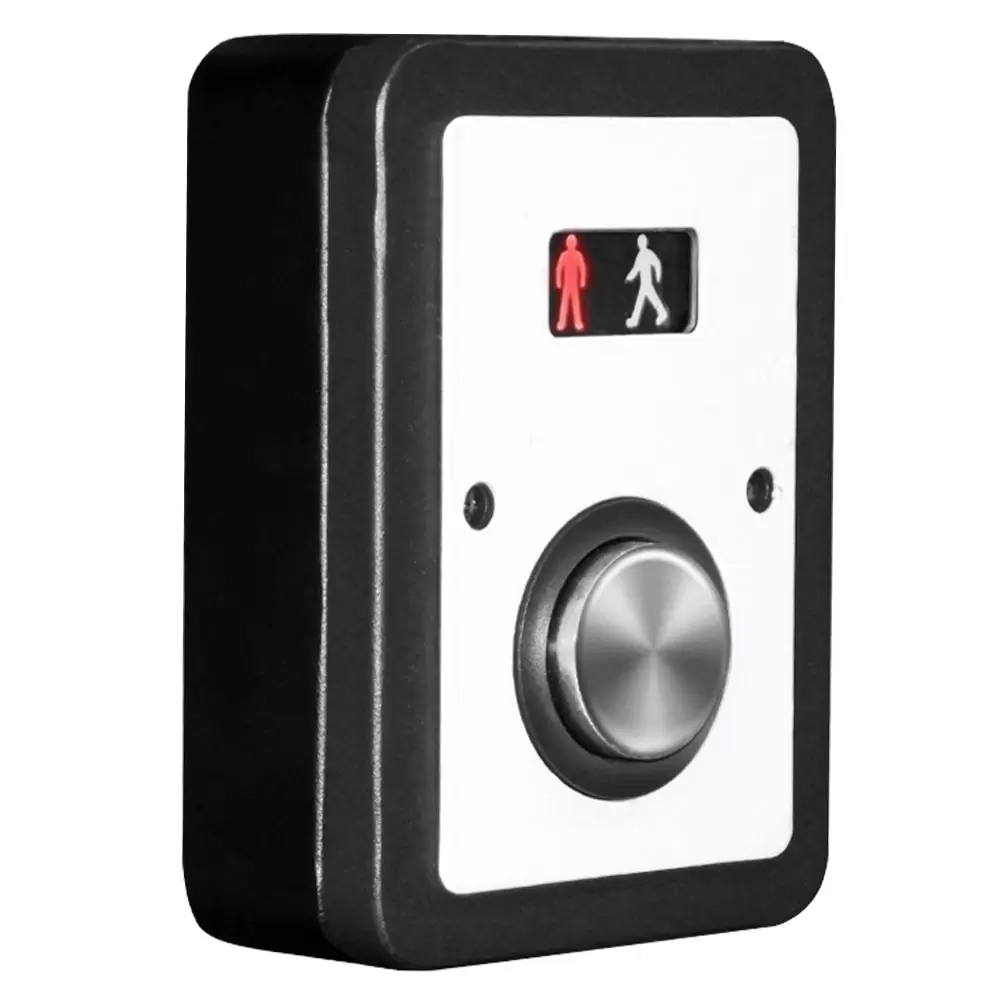
In modern urban traffic management, balancing vehicle flow with pedestrian safety has become a critical challenge. Inefficient pedestrian signal timing often results in extended waiting times, traffic congestion, and increased potential for accidents at intersections. Traditional fixed-timing systems lack the flexibility to respond to real-time pedestrian demands, creating inefficiencies that compromise both safety and traffic flow. To address these challenges, innovative solutions such as the FAMA pedestrian call button have emerged as an integral part of intelligent traffic systems.
FAMA - The Leading Enterprise In China's Traffic Signal Lights Industry, Yangzhou FAMA Intelligent Equipment Co., Ltd., has been at the forefront of delivering integrated intelligent transportation solutions. Since 2005, FAMA Traffic has specialized in smart signal control, smart traffic safety, and 5G multifunctional smart poles, providing services including traffic signal timing optimization, operation, and maintenance. Their experience in implementing adaptive and dynamic traffic systems ensures that intersections can effectively respond to real-time pedestrian needs while maintaining smooth vehicle flow.
The pedestrian call button is a pivotal component for dynamically managing pedestrian green light phases. By allowing pedestrians to actively request a crossing signal, it empowers traffic controllers to allocate green phases more efficiently. This on-demand approach minimizes unnecessary waiting time for pedestrians while optimizing intersection throughput for vehicles. Furthermore, the FAMA system supports three adaptive operating modes—communication mode, trigger mode, and learning mode—enabling compatibility with over 99% of mainstream domestic and international traffic signal controllers. This flexibility ensures that traffic managers can deploy solutions with minimal disruption and maximum reliability.
Strategies for Optimizing Pedestrian Green Light Phases
1. Dynamic Timing Based on Real-Time Demand
By integrating the pedestrian call button with intelligent traffic signal controllers, intersections can adjust pedestrian green light durations dynamically. High pedestrian volumes during peak hours can trigger extended green phases, reducing congestion at crosswalks, while periods of low foot traffic can shorten green phases, allowing vehicle flow to remain uninterrupted. Real-time data from call buttons allows traffic management systems to respond instantly to varying pedestrian demands.
2. Coordination Between Vehicle and Pedestrian Flow
Effective optimization requires coordination between pedestrian green phases and vehicle signal phases. Using data collected from pedestrian call buttons, traffic controllers can implement predictive algorithms that schedule green times to minimize conflict between vehicles and pedestrians. This intelligent coordination reduces accidents and ensures smoother traffic flow, particularly at intersections with high vehicle and pedestrian density.
3. Time-of-Day Adjustments
Urban intersections experience varying traffic patterns throughout the day. Morning and evening peaks demand longer pedestrian green phases in residential and commercial areas, while mid-day and late-night hours may require shorter phases. The adaptability of FAMA’s call buttons allows traffic control systems to automatically adjust timing based on these patterns, enhancing both safety and efficiency.
4. Barrier-Free Design for Inclusive Operation
Optimizing green light phases also involves ensuring accessibility for all users. FAMA pedestrian call buttons feature a comprehensive barrier-free design, allowing people with disabilities to request crossing signals with ease. Inclusive operation ensures that green light timing is effectively utilized for all pedestrians, reinforcing social inclusiveness and public service quality.
5. Maintenance Efficiency to Sustain Optimal Performance
A critical aspect of long-term optimization is maintaining reliable performance of traffic control devices. FAMA’s pedestrian call buttons are built with high-strength metal casings and engineered for a mechanical lifespan of up to one million operations. Resistant to impact and corrosion, these devices minimize failures and maintenance interruptions, ensuring that pedestrian green light optimization is sustained over time.
Industry Applications and Case Studies
FAMA has successfully implemented pedestrian call button systems across multiple urban intersections, demonstrating measurable improvements in traffic flow and pedestrian safety. For example, in a mid-sized city project (see FAMA Projects), the deployment of adaptive call buttons reduced pedestrian wait times by 35% and minimized vehicle congestion during peak hours. These results highlight the practical impact of integrating intelligent pedestrian request systems with advanced traffic signal controllers.
Moreover, FAMA’s solutions are featured in a wide array of product offerings, ensuring that municipalities can access tailored solutions for intersections of different scales and traffic conditions. From single-lane crossings to multi-lane urban arteries, the combination of adaptive signal control and responsive pedestrian call buttons enhances operational efficiency and safety simultaneously.
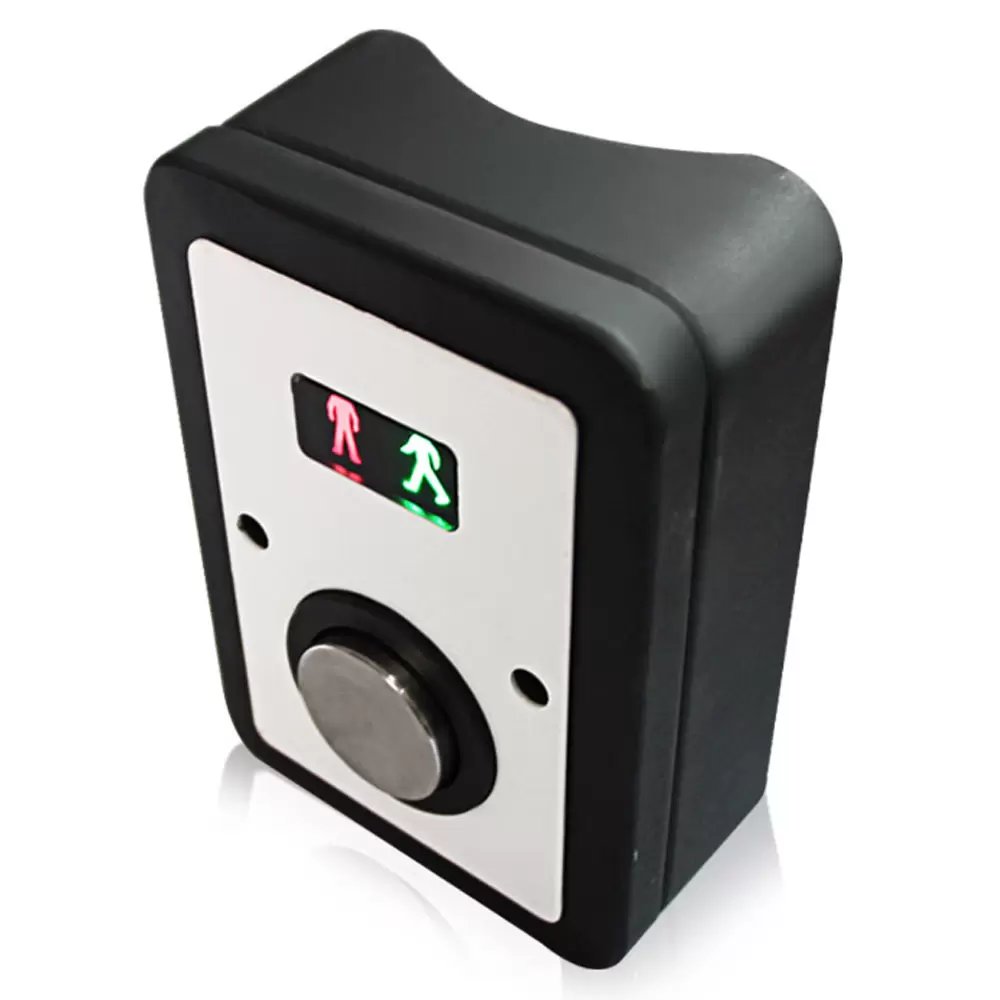
Technical Advantages of FAMA Pedestrian Call Buttons
On-Demand Passage: Provides immediate pedestrian signal requests, significantly improving crossing efficiency.
Intelligent Coordination: Reduces conflicts between pedestrians and vehicles by integrating call data with traffic signal algorithms.
Barrier-Free Accessibility: Ensures all users, including those with disabilities, can safely operate the system.
Robust Structure: Minimizes maintenance needs, ensuring long-term reliability and consistent performance.
Adaptive Modes: Communication, trigger, and learning modes allow seamless integration with existing signal infrastructure.
By leveraging these technical advantages, cities can implement real-time pedestrian green phase optimization that enhances both safety and traffic throughput.
Conclusion
Optimizing pedestrian green light phases using FAMA pedestrian call buttons represents a significant advancement in urban traffic management. By dynamically adjusting green light durations based on real-time demand, coordinating pedestrian and vehicle flows, and maintaining system reliability, municipalities can enhance road safety while improving traffic efficiency. FAMA’s extensive experience and recognized industry leadership—FAMA - The Leading Enterprise In China's Traffic Signal Lights Industry—ensure that these solutions are not only technologically advanced but also practically effective. For cities seeking to implement smarter intersections, leveraging FAMA’s call button systems is a proven strategy to balance safety, efficiency, and inclusivity.
For further information and detailed product specifications, please refer to FAMA Projects and FAMA Products.
FAQ
Q1: How does a pedestrian call button optimize green light phases?
A1: It sends real-time crossing requests to the traffic controller, which adjusts the duration of the green phase according to pedestrian demand and traffic conditions, ensuring efficient flow for both pedestrians and vehicles.
Q2: Can FAMA pedestrian call buttons integrate with existing traffic signal systems?
A2: Yes, FAMA devices are compatible with over 99% of mainstream domestic and international traffic signal controllers, minimizing installation complexity and ensuring seamless operation.
Q3: How does the adaptive mode work?
A3: Adaptive modes include communication, trigger, and learning modes, allowing the system to automatically adjust timing based on pedestrian patterns, traffic flow, and historical data.
Q4: Are FAMA call buttons suitable for people with disabilities?
A4: Absolutely. They feature a barrier-free design to allow easy operation for all pedestrians, promoting inclusive and accessible urban traffic management.
Q5: What is the expected maintenance frequency for FAMA pedestrian call buttons?
A5: Built for durability with high-strength materials, these devices can operate up to one million times with minimal maintenance, reducing long-term operational costs.


