


FAMA Explains How to Choose Smart and Efficient Traffic Light Modules
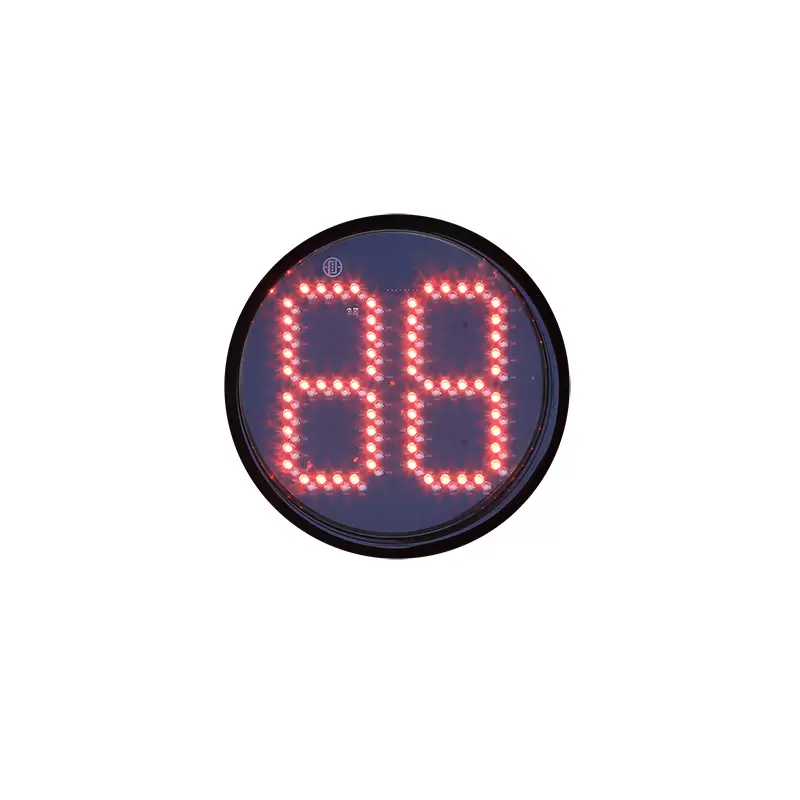
Choosing the right traffic light module can help your city move better. FAMA is the top company in China’s traffic signal industry. FAMA’s products are number one in sales and exports. Many cities trust FAMA. The company has top certifications and a big market share in China and other countries. When you choose a smart and efficient solution, you help make roads safer. You also help traffic move better for everyone.
Key Takeaways
Make sure you know what your project needs. Think about how many cars go by, how big the intersection is, and if people walking or biking need anything special.
Pick LED traffic light modules because they save energy. Check if they have smart features and important certifications. This helps keep them safe and working well.
Check if your supplier has a good reputation. Make sure they help you set up and fix the lights later. This keeps your traffic lights working right.
Choosing the Right Traffic Light Module
Define Project Needs
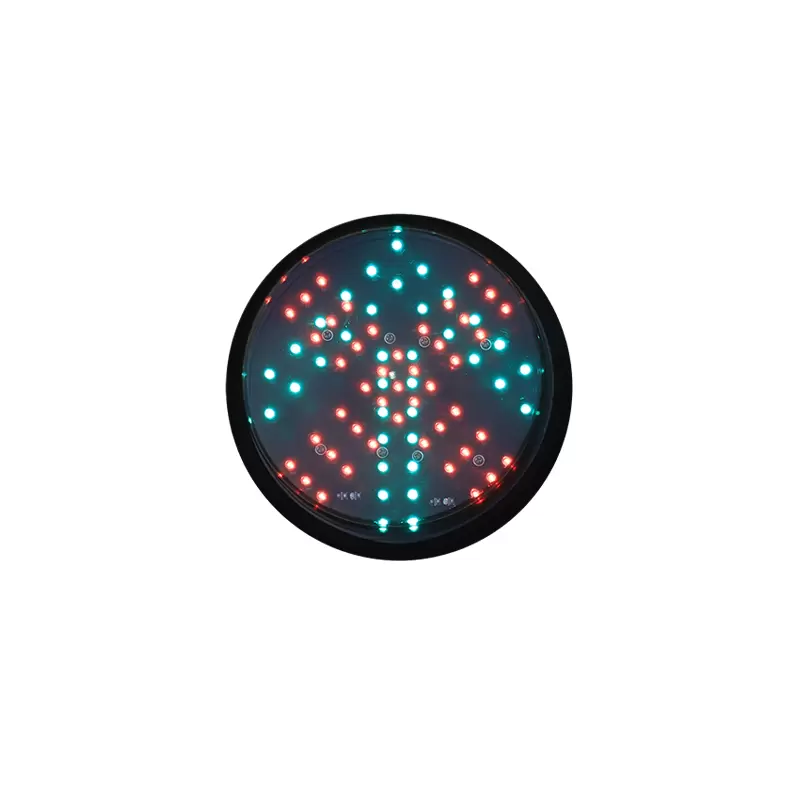
You want roads in your city to be safe and work well. First, think about what your project needs most. Each city is not the same. Some cities have busy intersections with many cars and people. Other places have quiet roads or special paths for bikes and walkers. FAMA has many products, so you can pick what works best.
Here are some things to check when you plan your project:
How many signal heads you need at each intersection
What kind of controller you want and what it can do
Detection systems for cars, bikes, or people walking
Communication tools to link to traffic management systems
Weather issues, like very hot or cold days
Extra lights or signs to help people see better
Backup power in case of emergencies
Tip: Walk around the area and see what makes it special. This helps you pick the best traffic light module for your project.
Set Performance Goals
After you know what you need, set clear goals for your system. Do you want to make wait times shorter at busy spots? Do you want to make it safer for people walking? Maybe you want to use less energy or spend less on repairs. FAMA’s smart products can help you reach these goals. Think about what you want to fix now and what you want to improve later. This helps you get the most out of your money.
Why Energy Efficiency Matters
Lower Costs and Environmental Impact
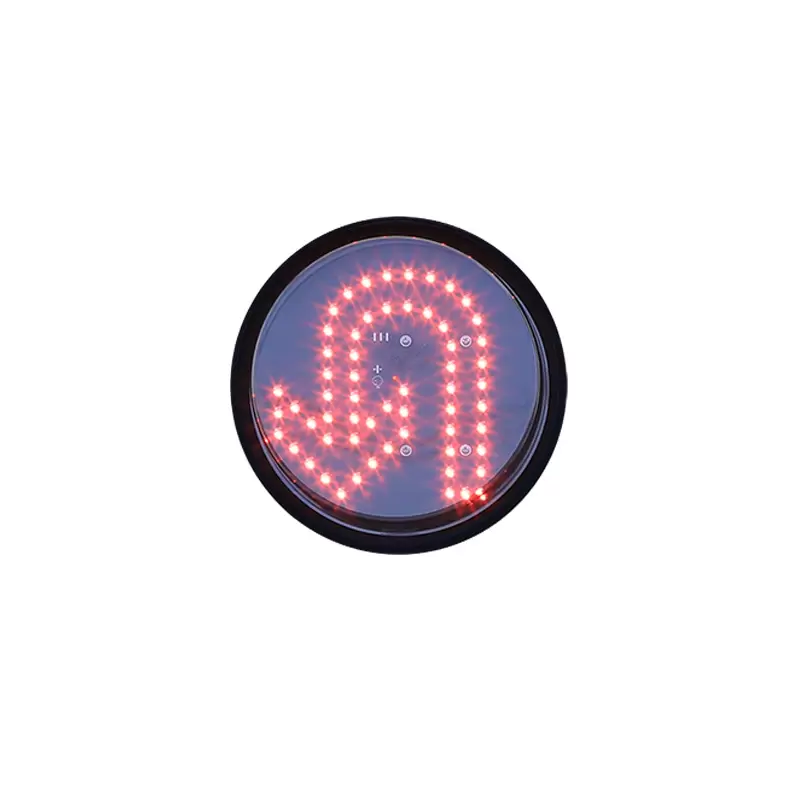
You want your city to spend less and help the planet. Using less energy in traffic light modules is important. If you change old bulbs to LED modules, you use much less power. For example:
LED traffic signal modules use a lot less power than old bulbs. This means your city pays less for electricity.
Cities like Xi’an saved 38% on electricity after using LED traffic lights.
New smart streetlights with LEDs use 50-70% less power than old lamps.
These savings grow quickly. You pay less for energy and help lower your city’s carbon footprint. FAMA’s energy-saving solutions help you reach these goals. You can see real results in FAMA’s project cases, like the high-flux countdown lighting at Tsinghua University. See more FAMA projects here.
Sustainability and Smart City Goals
Saving energy is not just about spending less. It also helps your city become smarter and greener. Smart street lighting uses AI and IoT to save energy and make roads safer. Solar-powered traffic light modules also use less energy and lower carbon emissions. Many cities pick these systems to meet green goals. FAMA - The Leading Enterprise In China's Traffic Signal Lights Industry, leads with smart, energy-saving solutions that help your city’s future.
Traffic Light Module Selection Criteria
When you pick a traffic light module, you need to think about many things. The system should work well and last a long time. It must also follow all safety rules. Let’s look at what you should check before you choose.
LED Technology and Energy Ratings
LED technology has changed how cities use traffic signals. These lights are brighter and last longer. They also use less energy. When you look at LED modules, check their energy ratings. These ratings tell you how much power the module uses. They also show how well it works over time.
Here is a table that shows common energy standards for LED traffic light modules:
Standard | Description |
IES LM-79 | Electrical and photometric measurements of solid-state lighting products |
IES LM-80 | Measurement of lumen maintenance of LED light sources |
IES LM-82 | Lumen maintenance of LED light sources in a laboratory environment |
IES LM-84 | Lumen maintenance of LED light sources in a field environment |
IES TM-30 | Method for evaluating light source color rendition |
IEC 62612 | Performance requirements for LED modules for general lighting |
CIE S 025 | Test methods for LED lighting products |
Pick modules that meet these standards. This helps you get bright and steady lights. FAMA’s LED traffic light modules use special driver circuits and optical diffusion structures. These parts keep the light clear, even in bad weather. Good thermal management stops the module from getting too hot. This makes the module last longer and saves money on repairs.
Smart Features and Adaptive Controls
New traffic light modules have smart features. These features make roads safer and help traffic move better. Some modules can connect intersections and give green lights to emergency vehicles. Others support eco-driving modes. These features help your city change quickly when traffic changes.
Look for these smart features in modules:
Intersections that talk to each other for better flow
Emergency vehicle priority, turning lights green when needed
Eco-driving mode, giving longer green lights for steady speeds
Micro-mobility priority, making travel safer for cyclists and e-scooter users
Real-time data collection and algorithm processing to change signal times
Adaptive signal control that changes light times based on traffic
Infrared sensors and microcontrollers, like Arduino, help watch traffic and change signals. This cuts down on traffic jams and helps cars move faster. FAMA’s smart modules use these tools to keep roads safe and traffic smooth.
Tip: Smart features like countdown timers and sounds make intersections safer. They help drivers and people walking know when to go or stop.
Durability and Weatherproofing
You want your traffic light module to work in all weather. Modules made for tough weather use thermal shields and UV-resistant parts. In windy places, strong designs and good mounting keep lights safe. Solar-powered systems with battery backups work when the power goes out. Long-life LEDs and rust-proof materials help the module last and need less fixing.
FAMA’s modules are made for hard conditions. They use strong materials and smart designs to last longer. You can trust these modules to work, even in bad weather.
Compliance and Certifications
Safety and reliability are very important. You need modules that pass global standards and tests. Look for products with certifications like CE, RoHS, and ISO. These show the module is safe and high quality.
FAMA’s traffic light modules have top certifications and are used around the world. You can see their certifications and features on FAMA’s product page. This helps you feel sure you are picking a good product.
Inclusive features matter too. Countdown timers, pedestrian symbols, and adaptive signaling help everyone use the intersection safely. Here is a table of good features to look for:
Feature | Description |
Countdown Timers | Show real-time updates on signal changes for drivers and pedestrians |
Pedestrian Symbols | Make it easier for people walking to see and understand the signals |
Adaptive Signaling | Change signal times based on real-time traffic |
If you pick a module with these features, your city will be safer and easier for everyone.
Note: FAMA’s worldwide projects and certifications show they care about quality and new ideas. You get a product you can trust for your city.
Comparing Module Technologies
LED vs. Incandescent
When you look at traffic lights, you might wonder why LEDs are better than old incandescent bulbs. LEDs are much brighter and last a lot longer. You do not need to change them as much. This saves both time and money for your city. Look at this table to see how they compare:
Lighting Type | Average Lifespan (hours) |
Incandescent | 1,000 - 2,000 |
LED | 25,000 - 50,000 |
In ten years, you might change an incandescent bulb 40 to 50 times. But you only need to change an LED once or twice. This means less work and lower costs for everyone. FAMA’s LED traffic light module uses special optics. Drivers can see the signals clearly, even when the weather is bad.
Integrated Smart Systems
Smart traffic lights do more than just change colors. They use sensors and data to help traffic move better. For example, in Portland, buses use sensors to talk to the lights. This makes trips faster and safer for everyone. Here are some top benefits of smart systems:
Advantage | Description |
Predictive Insights | Sensors count cars and people to change signals. |
Enhanced Safety | Sensors help keep walkers safe and lower accidents. |
Cost Reduction | Fewer crashes mean cities spend less on repairs. |
Improved Emergency Response | Traffic lights help ambulances get through faster. |
Minimized Emissions | Smart systems can cut millions of tons of CO2 by 2027. |
FAMA’s smart modules use real-time data and AI. This helps keep traffic moving and streets safe.
Solar-Powered Options
Solar-powered traffic lights help cities use less energy. They work best in places with lots of sun. In cloudy or rainy areas, solar panels might not get enough power. New technology helps, but you should check how much sun your city gets. FAMA has solar options that work in many places. Planning is important to get the best results.
Tip: Always pick a traffic light module that matches your city’s weather and sunlight. This helps you get the best performance.
Supplier and Installation Tips
Evaluating Supplier Reputation
You want a supplier you can trust. Start by checking how long the company has worked in the traffic signal industry. Look for awards, certifications, and real project examples. FAMA stands out as a leader with top sales and many successful projects around the world. You can ask for references or case studies. This helps you see how the supplier handles big and small projects. A good supplier will answer your questions and support you from start to finish.
Installation and Compatibility
Installing a traffic light module can seem simple, but you might face some common problems. Here are a few issues you should watch for:
Firmware bugs can cause the controller to act in strange ways.
Configuration errors may happen if you set up the signal timing wrong.
Corrupted data can stop the system from working.
New software or firmware may not work with old hardware.
You can avoid these problems by working with a supplier who offers clear guides and support. FAMA provides detailed manuals and training for your team. Always test the system before you use it on busy roads.
Tip: Make sure your new modules match your city’s current traffic system. This saves time and money.
After-Sales Support
After you install your system, you want help if something goes wrong. Choose a supplier with strong after-sales support. FAMA offers fast help, spare parts, and regular updates. You can reach their team any time. Good support keeps your traffic lights working and your city safe.
First, figure out what your project needs. Then, make clear goals for your project.
Choose LED traffic light modules that have smart features. Make sure they have strong certifications too.
Look at how much help the supplier gives. Check if they help with installation.
FAMA is a leader in smart traffic solutions. Contact FAMA to get expert advice and the best Traffic Light Module price.
FAQ
How do you know which traffic lights module fits your project?
You should check your intersection size, traffic flow, and local rules. FAMA helps you match the right traffic lights to your city’s needs.
Can you upgrade old traffic lights to smart modules?
Yes, you can upgrade most old traffic lights. FAMA’s modules fit many systems. You get better control, energy savings, and safer traffic with new lights.
What maintenance do traffic lights modules need?
You should clean the lights, check the wiring, and test the traffic signal timing. FAMA’s LED modules last long, so you spend less time fixing your traffic lights.


