
Home > News > Industry News > Expert Tips for Choosing Small Traffic Lights with Constant Current Drive, Low Maintenance Costs, and High Reliability


Expert Tips for Choosing Small Traffic Lights with Constant Current Drive, Low Maintenance Costs, and High Reliability
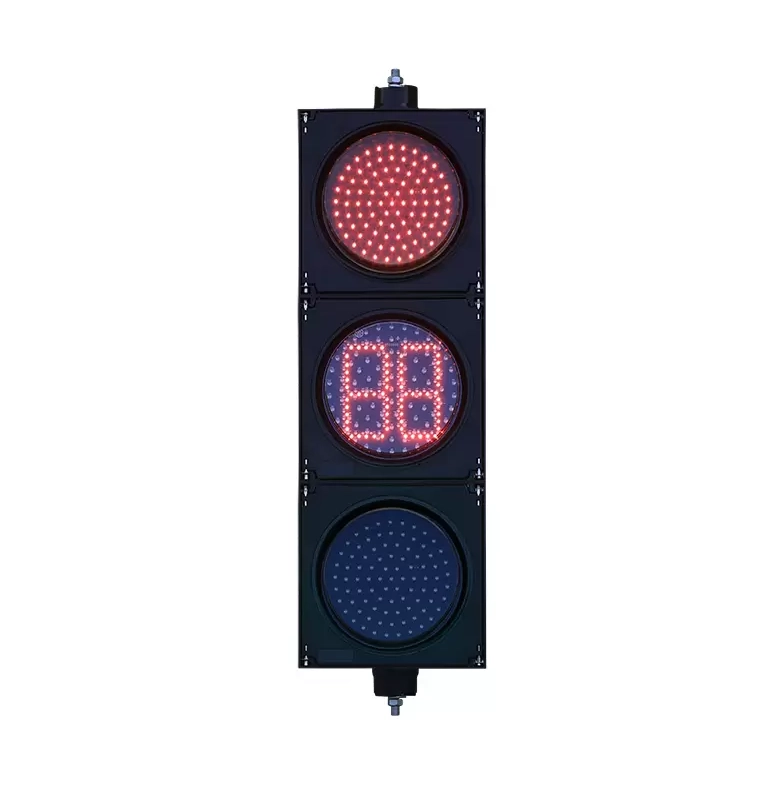
Urban intersections are becoming increasingly complex, with higher traffic volumes and diverse road users. Selecting small traffic lights that provide clear guidance, long-lasting performance, and minimal maintenance is essential for municipalities seeking efficient, safe, and cost-effective traffic management. This guide offers expert tips for choosing small traffic lights that meet these demanding criteria.
FAMA - The Leading Enterprise In China's Traffic Signal Lights Industry, has been providing integrated intelligent traffic solutions since 2005. Specializing in smart signal control, traffic safety, and 5G multifunctional smart poles, FAMA supports cities with traffic signals that combine energy efficiency, durability, and operational reliability. Their real-world deployments, documented in FAMA project cases, showcase the performance of advanced small traffic lights under diverse urban conditions.
Expert Tip 1: Prioritize Constant Current Drive Technology
Constant current drive ensures that each LED in a small traffic light receives stable electrical current, preventing voltage fluctuations that can cause premature LED degradation. This technology is critical for maintaining uniform brightness and signal visibility throughout the lamp’s service life.
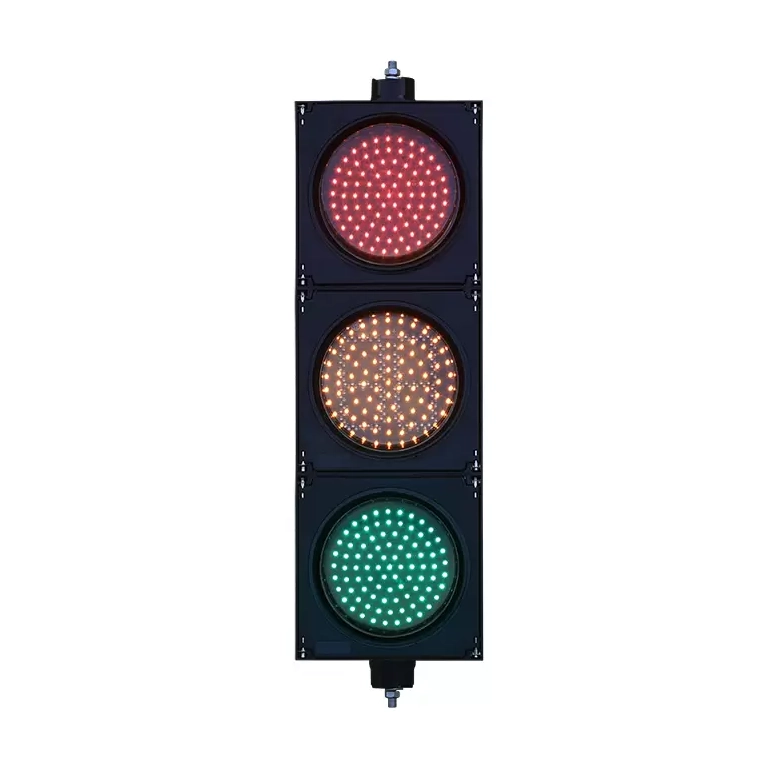
FAMA’s Low Power Red/Yellow/Green Full Ball Traffic Light with Countdown Timer utilizes constant current drive to deliver consistent illumination, even under varying power conditions. In intersections with heavy vehicle flow, this stability reduces the risk of partial lamp failures that could compromise pedestrian or driver safety.
Application Insight: In urban centers with frequent power fluctuations, small traffic lights with constant current drive maintain a predictable light output, ensuring pedestrians and drivers can rely on consistent signal visibility at all times.
Operational Benefit: Reduces emergency repairs and replacement frequency, lowering overall operational costs.
Expert Tip 2: Evaluate Maintenance Cost Drivers
Low maintenance costs are a primary concern for traffic authorities managing multiple intersections. Features designed to minimize manual intervention and maximize uptime should be a key selection criterion.
Mesh Circuit Design: Each LED bead is independently managed. If one fails, the mesh isolates it automatically, allowing the rest to function normally. This prevents complete lamp failure and maintains intersection safety.
Long-Life Components: High-quality power supply modules and thermal management systems extend operational life. External heat dissipation modules ensure LEDs operate efficiently under high ambient temperatures.
Adaptive Compatibility: Built-in countdown timers support communication, trigger, and learning modes, making them compatible with over 99% of domestic and international traffic controllers. This reduces installation complexity and post-installation tuning.
By selecting small traffic lights with these features, cities can significantly reduce maintenance labor, spare part costs, and operational interruptions. FAMA products provide detailed specifications to help traffic authorities assess lifecycle cost savings.
Expert Tip 3: Verify Reliability Under Real-World Conditions
Reliability is more than durable components; it involves comprehensive design to handle environmental and electrical challenges:
Electromagnetic Compatibility (EMC): FAMA small traffic lights meet European EMC standards, minimizing interference with power grids and other intersection equipment.
Surge Protection: Ensures stable operation during voltage spikes, which are common in urban power networks.
Thermal Management: Advanced heat dissipation prevents overheating, extending LED and driver lifespan.
Optical Design: Precision lenses distribute light uniformly, enhancing visibility without glare.
Case studies in FAMA project cases demonstrate how these small traffic lights maintain performance over years of continuous operation, even in high-density traffic intersections.
Expert Tip 4: Assess Energy Efficiency for Sustainability
Energy efficiency is critical for cities aiming to reduce operational costs and carbon footprint. Small traffic lights should use optimized LEDs and power supplies with high conversion efficiency.
FAMA’s Euro-standard power supply achieves a power factor of 0.98, converting energy efficiently while reducing heat generation. Combined with low-power LEDs and optical enhancements, these traffic lights minimize electricity use without compromising visibility or safety.
Professional Insight: In large metropolitan areas with hundreds of intersections, energy-efficient small traffic lights can save tens of thousands of dollars annually in electricity, while supporting sustainable urban infrastructure goals.
Expert Tip 5: Ensure Compatibility with Intelligent Traffic Systems
Modern intersections increasingly rely on adaptive traffic management systems. Small traffic lights should integrate seamlessly for efficient pedestrian and vehicle coordination:
Supports most domestic and international traffic controllers.
Adaptive countdown modes enhance pedestrian safety and flow efficiency.
Smart system integration reduces manual timing adjustments, ensuring consistent performance.
Real-world integrations, such as those documented in FAMA project cases, highlight how small traffic lights can contribute to intelligent urban traffic networks, optimizing both safety and operational efficiency.
Expert Tip 6: Consider Intersection-Specific Requirements
Not all intersections are the same. Experts recommend evaluating:
Traffic Density: High-density intersections may benefit from larger LEDs or multi-lens optical systems for improved visibility.
Environmental Conditions: Coastal or high-pollution areas may require corrosion-resistant components and additional sealing.
Pedestrian Volume: Countdown timers with high-visibility digits help manage heavy pedestrian flows.
Tailoring small traffic lights to intersection-specific conditions ensures maximum reliability and minimal maintenance.
FAQ: Common Questions About Small Traffic Lights
Q1: Why is constant current drive essential for small traffic lights?
A1: It provides stable illumination and prevents premature LED failure, ensuring long-term visibility and consistent performance.
Q2: How can mesh circuit design reduce maintenance costs?
A2: Faulty LEDs are automatically isolated, allowing the rest of the lamp to continue functioning, reducing emergency repairs.
Q3: Are FAMA small traffic lights compatible with smart controllers?
A3: Yes. They support over 99% of domestic and international traffic controllers and multiple adaptive modes. Real-world applications are available in FAMA project cases.
Q4: How energy-efficient are these small traffic lights?
A4: Using Euro-standard power supplies and optimized LED chips, they minimize electricity consumption while maintaining bright, uniform signals.
Q5: How do I choose the right small traffic light for a high-density intersection?
A5: Consider LED size, lens optics, and countdown display visibility. FAMA products provide solutions tailored to diverse urban intersection requirements (FAMA products).
Q6: What maintenance practices ensure maximum lifespan?
A6: Routine lens cleaning, functional testing, heat dissipation checks, power supply monitoring, and connection inspection ensure reliable operation.
Conclusion
Selecting small traffic lights with constant current drive, low maintenance costs, and high reliability requires careful evaluation of technology, energy efficiency, compatibility, and operational requirements. Following these expert tips ensures safer intersections, reduced lifecycle costs, and seamless integration with intelligent traffic systems. FAMA’s Low Power Red/Yellow/Green Full Ball Traffic Light with Countdown Timer exemplifies these principles, combining stable illumination, energy efficiency, and adaptive design. For further technical details and real-world deployment examples, refer to FAMA products and FAMA project cases.


