
Home > News > Industry News > Comparing Aluminum vs Polycarbonate Traffic Light Housings: Performance, Durability, and Application Scenarios for Urban Traffic Control


Comparing Aluminum vs Polycarbonate Traffic Light Housings: Performance, Durability, and Application Scenarios for Urban Traffic Control
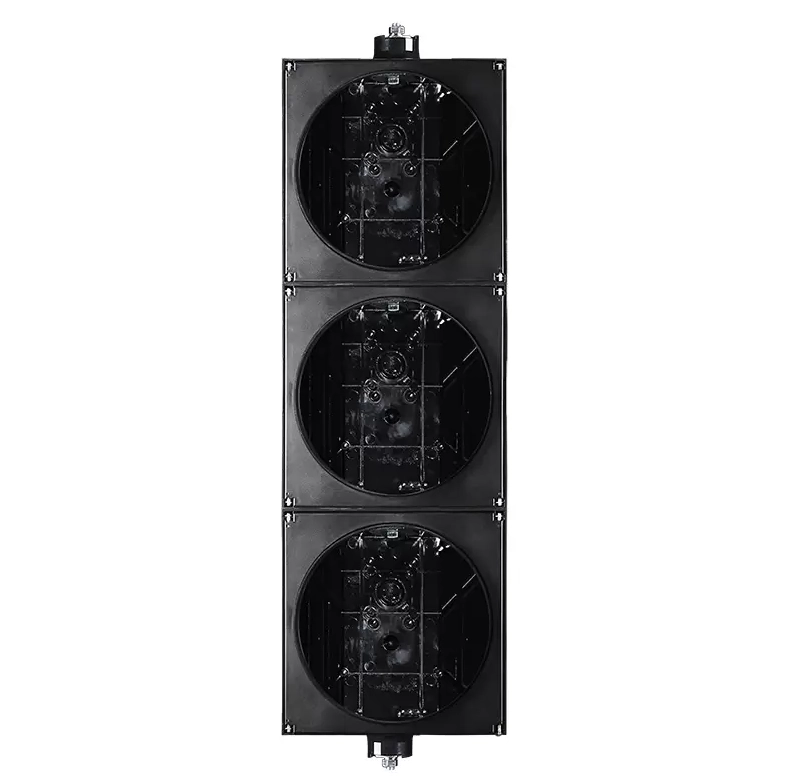
Urban traffic management is becoming increasingly sophisticated, and the choice of traffic light housing plays a pivotal role in ensuring safety, durability, and maintenance efficiency. Aluminum and polycarbonate remain the two primary materials used for housing traffic light lamp cores, each bringing distinct advantages to meet diverse urban demands. Selecting the optimal material affects not only the structural integrity of the intersection equipment but also the efficiency of traffic signal operation.
Yangzhou FAMA Intelligent Equipment Co.,Ltd. (FAMA ) has consistently led the field of intelligent transportation solutions. Since its establishment in 2005, FAMA has focused on integrating smart signal control, traffic safety, and 5G multifunctional smart poles to build safer and smarter urban environments. Recognized as The Leading Enterprise In China's Traffic Signal Lights Industry, FAMA has achieved numerous accolades, including top rankings in both sales and export volumes for traffic signal lights and controllers.
Die-Cast Aluminum Traffic Light Housings
Aluminum housings are widely preferred for high-traffic intersections due to their robustness and thermal conductivity. Key advantages include:
Durability under harsh conditions: Aluminum withstands UV exposure, extreme temperatures, and salt spray, making it suitable for coastal areas or intersections exposed to high sunlight.
lStructural integrity: Its rigidity reduces the risk of deformation or misalignment, ensuring consistent light projection for optimal visibility.
Heat dissipation: Aluminum naturally disperses heat from high-flux LED lamp cores, enhancing component longevity and reducing the need for additional cooling measures.
These attributes make aluminum a cost-effective choice over the long term despite a higher initial investment. High-stress urban intersections benefit from aluminum’s superior stability, minimizing maintenance interruptions and ensuring continuous traffic flow.
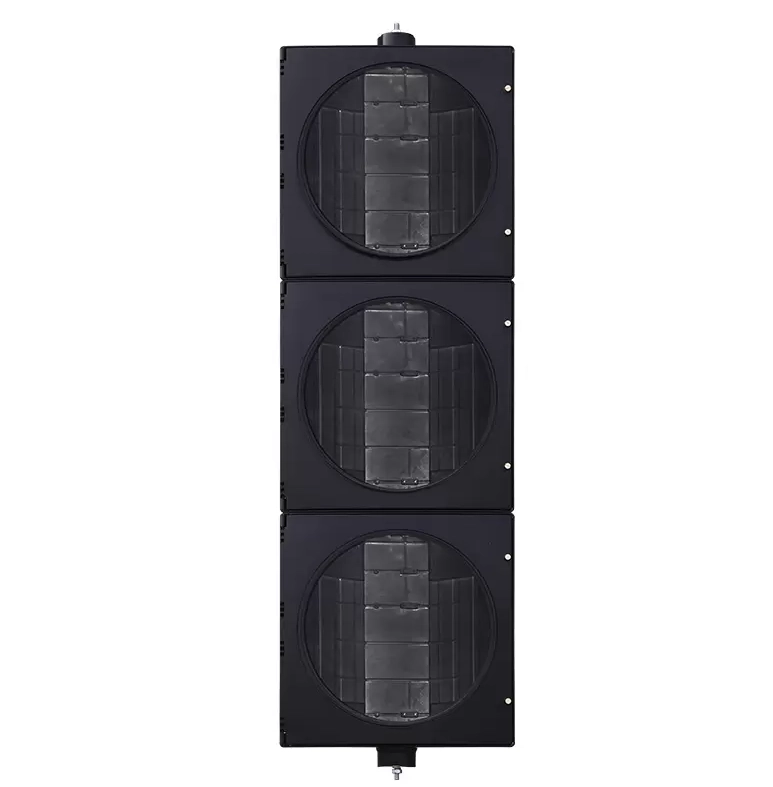
Polycarbonate Traffic Light Housings
Polycarbonate is increasingly chosen for scenarios where lightweight and design flexibility are critical. Its characteristics include:
Impact resistance: Polycarbonate resists shocks and vibrations, ideal for areas with frequent minor collisions or high pedestrian activity.
Design versatility: It supports complex shapes and slimmer profiles, aligning with modern urban aesthetics while maintaining functional reliability.
Corrosion resistance: Being impervious to rust, polycarbonate performs well in humid or chemically aggressive environments.
While polycarbonate offers advantages in cost and adaptability, it relies more on internal thermal management to handle heat from LED lamp cores, particularly in high-intensity installations.
Application Scenarios
High-density urban intersections: Aluminum housings provide robust protection, heat dissipation, and durability under continuous operation.
Suburban or low-impact zones: Polycarbonate housings provide sufficient protection at reduced cost, with added flexibility for modern design requirements.
Extreme climates: Aluminum performs better in high-temperature or coastal regions due to natural thermal conductivity and corrosion resistance.
Aesthetic-sensitive areas: Polycarbonate allows slimmer, visually appealing profiles without compromising performance.
FAMA Traffic’s housing solutions undergo rigorous testing to meet IP53 protection standards and resist environmental stresses such as salt spray corrosion. Independently developed molds ensure reliability and uniform light output, supporting both aluminum and polycarbonate configurations. Practical deployments can be explored on FAMA’s project page, while detailed housing options are available on the product page.
Industry Implications
The selection of traffic light housings directly impacts maintenance efficiency and intersection safety. High-quality traffic light housing enables LED lamp cores to perform optimally in smart intersections, supporting features like adaptive timing, countdown displays, and remote monitoring. Aluminum’s natural heat dissipation reduces energy consumption and extends lifespan, while polycarbonate’s design flexibility caters to aesthetic requirements and ease of installation. Integrating these housings with intelligent traffic systems reflects the global trend toward more sustainable, low-maintenance, and resilient urban infrastructure.
Case Examples
Cities implementing FAMA Traffic solutions report enhanced safety and operational efficiency. Aluminum housings in busy intersections show minimal maintenance downtime, even under heavy traffic flows, while polycarbonate housings provide cost-effective, flexible solutions for suburban roads. These real-world applications illustrate the critical role of housing selection in optimizing traffic signal performance.
FAMA Traffic’s achievements, including The Leading Enterprise In China's Traffic Signal Lights Industry, highlight their technical expertise and industry leadership. By offering both aluminum and polycarbonate housing solutions, FAMA enables municipalities to tailor traffic infrastructure to specific environmental and operational needs while maintaining compliance with modern traffic safety standards.
Conclusion
Selecting the right material for traffic light housing is no longer a matter of preference but a strategic decision impacting performance, durability, and intersection safety. Aluminum and polycarbonate offer distinct advantages for different urban scenarios, and intelligent integration with smart traffic systems amplifies their benefits. FAMA Traffic’s comprehensive housing solutions, proven in real-world deployments, provide city planners and traffic authorities with the flexibility to optimize safety and operational efficiency. For municipalities seeking reliable, durable, and adaptable traffic signal infrastructure, exploring FAMA’s product page and project cases provides actionable insights into best practices and material selection strategies.
FAQ – Aluminum vs Polycarbonate Traffic Light Housings
Q1: Which housing material is more durable for coastal cities?
Die-cast aluminum housings offer superior corrosion resistance and thermal management, making them ideal for coastal environments with salt spray and high humidity.
Q2: Can polycarbonate housings be used in high-temperature areas?
Yes, but additional internal heat management may be required for high-flux LED systems to maintain long-term performance.
Q3: How does housing choice affect maintenance costs?
Aluminum requires lower maintenance in high-stress environments due to its strength and heat dissipation. Polycarbonate is lighter and easier to replace but may require additional care in high-temperature or high-flux installations.
Q4: Are FAMA traffic light housings compatible with smart intersection technologies?
Yes, both aluminum and polycarbonate housings are designed to integrate with FAMA’s intelligent traffic solutions, supporting countdown timers, adaptive signal control, and remote monitoring systems.
Q5: Where can I find real-world examples of these housings in use?
Practical deployments and case studies are available on FAMA’s project page, showcasing both aluminum and polycarbonate traffic light housings across diverse urban and suburban intersections.
Q6: How does IP53 protection benefit these housings?
IP53 ensures resistance to dust ingress and water spray, maintaining consistent performance and protecting internal lamp cores from environmental damage.


